
Lawn Mower Repair in Englewood, FL
Old Florida beach town, two counties, one relentless growing season. Englewood mowers battle salt fog, sugar sand and long snowbird summers, and we fix what those three leave behind. Our shop is about 25 minutes east in Port Charlotte, with pickup available all the way to the key.
Englewood mower acting up? From Manasota Key to Englewood East, both counties and both ZIPs, Joe’s Small Engine Repair handles push, riding and zero turn machines at our shop about 25 minutes east in Port Charlotte. We diagnose, call you with a firm quote, then fix. Pickup and delivery runs all over town. Call or text (941) 555-0123.
Two Counties, One Beach Town, Zero Easy Lawns
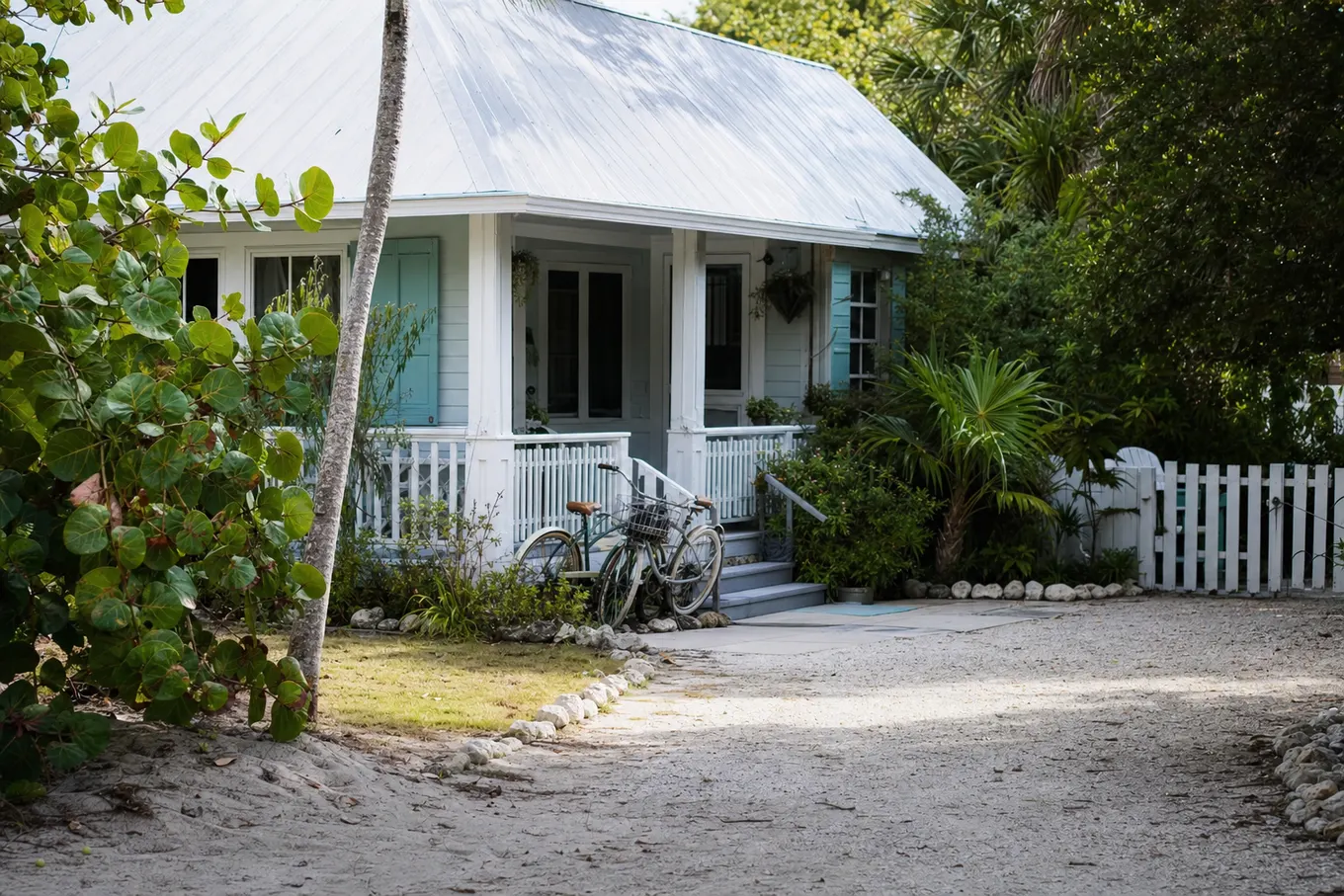
Englewood never incorporated, never picked a county, and never lost its Old Florida feel. Half the town carries a Sarasota County address and the other half Charlotte, with Dearborn Street’s old storefronts holding down the historic middle. Across Lemon Bay, Manasota Key strings its beaches along the Gulf. This is a beach town first, and everything in it, lawn equipment included, lives with the Gulf’s opinion.
The lawns run sandy and scrappy. Cottage lots near the water grow salt tolerant grass over sugar sand, the bigger yards of Englewood East push St. Augustine and Bahia on the Charlotte side, and Grove City fills the gap between. Plenty of homes sleep from May to November while their owners summer up north, which strands plenty of mowers through the wettest, most humid months with fuel still in the tank.
Salt is the headline, though. The steady onshore breeze carries it across SR 776 and beyond, and machines within a mile or two of the water corrode from the outside in: deck seams, control cables, wiring plugs, muffler shrouds. We can often guess an Englewood mower’s distance from the beach by where the rust started.
Joe’s Small Engine Repair sits about 25 minutes east in Port Charlotte, and we fix mowers, full stop. Both counties, both ZIPs, the key included. Drive it out on 776 or let our trailer make the trip instead.
Englewood’s Big Three Mower Killers
Three local forces account for most of what Englewood brings to our bench, plus a fourth that is really a virtue.
Salt fog: machines age from the shell inward
On a breezy afternoon you can taste the Gulf from Dearborn Street. That same air settles on every machine in town, and the salt in it pulls moisture out of the sky and holds it against metal around the clock. Paint blisters at the deck’s spot welds. Cable strands wick brine under their sheaths and stiffen. Spade connectors grow the green fur that makes a safety switch flaky in ways no test light enjoys chasing.
The counterplay is rinse, dry, film: fresh water over the machine after beach side mows, storage with airflow, and a yearly service where we clean the electrical system and lay protective film on the deck and hardware. Manasota Key machines that get this treatment outlast identical machines that skip it, by years.
Sugar sand is grinding paste with a beach view
Englewood soil barely qualifies as soil in places. The fine white sand kicks up with every pass, rides the deck’s airflow, and settles into spindle bearings, wheel bushings and belt grooves. It wears a blade edge faster than the grass does. Bahia seed stalks in July plus a sand blunted edge produce that shredded, whitish cut you see all over town by midsummer.
We sharpen and balance more blades per household from 34223 and 34224 than almost anywhere we cover, and we grease and inspect the wear points sand attacks. If your mower squeals, wobbles or leaves stragglers standing, grit is the first suspect we interview.
The cottages that sleep all summer
Englewood’s seasonal rhythm runs opposite to the machine’s. Owners head north in April or May, right as the grass hits its stride, and the mower sits through six months of heat, humidity and afternoon storms, often in an unconditioned shed with E10 in the bowl. That fuel is varnish by August and glue by October.
If that is your machine, do not crank it into submission come November. Let us wake it properly: fuel system cleaned, oil changed, battery tested, blades dressed. Better yet, book a put away service in spring, stabilized or drained fuel plus storage prep, and the fall wake up turns cheap.
Old town, old machines, and proud of it
This is a town where a push mower from the nineties is not a relic, it is Tuesday. Englewood owners keep equipment running for decades, and we respect that down to our bones. The older Briggs and Tecumseh engines are simple, rebuildable and worth saving whenever the deck and frame are still sound.
We will tell you honestly when a part has gone extinct or when rust has eaten the value out of a repair. But if the machine can be fixed sensibly, we are the engine shop that would rather fix it than talk you into a shinier one.
What Englewood Mowers Need Fixed
Push and self propelled
Cottage lot walk behinds: drives, cables, wheels and engines made right again.
Full guideCarb cleaning and rebuilds
For every machine that sat out a summer with gas aboard. Surging and stalling end here.
Full guideSalt zapped electrics
Switches, wiring, batteries and starters that surrendered to the sea air.
Full guideBlades sharpened and balanced
Sandy lots eat edges. We restore the clean slice St. Augustine and Bahia want.
Full guideFull tune ups
Oil, plug, filters, blades and a top to bottom once over, scaled to a beach town workload.
Full guideSmall engine work
Briggs, Kohler, Kawasaki and the old faithfuls, kept breathing for another season.
Full guideFrom Lemon Bay to Our Bench and Back
The 776 run
SR 776 connects Englewood straight to Port Charlotte, about 25 minutes door to door. Drop the mower at 4502 Meager Cir, walk us through what it is doing, and the quote reaches you before any repair work begins.
Trailer service, both directions
For riders, zero turns or anything that will not roll up a ramp, we come to you anywhere in Englewood, key included. Load, fix, return. You approve the price by phone in between, and the mower comes home cutting.
Where Else This Bench Reaches
Each surrounding community gets its own page, its own drive time and its own local failure patterns. Find yours below or open the full service area.
The mower problems we expect from Englewood yards
Englewood has its own kind of lawn mower trouble. It is not just Port Charlotte with a beach postcard taped on the side. You have Old Florida houses near Dearborn Street, sandy lots off the main drag, Manasota Key salt air, Lemon Bay humidity, snowbird cottages that sit quiet for months, and year-round homes where the mower never gets a real vacation. That mix creates patterns we watch for as soon as someone says they need lawn mower repair Englewood service.
The useful part is that patterns make diagnosis faster. They do not replace testing, because mowers love proving people wrong, but they do point us toward the first places to inspect. A mower from a sandy inland lot may need a different first look than one stored near bay air. A cottage mower that was parked after spring cleanup tells a different story than a rider used every week on a larger year-round yard. Here are the four Englewood patterns we see as the most likely suspects.
Small sandy yards that make simple push mowers work harder than they look
Englewood has plenty of compact yards where a push mower or self propelled mower should be the easy choice. The catch is the sand. Sandy soil gets lifted into the deck, coats the blade, scours the underside, and works into height adjusters, wheel bearings, drive gears, and cable pivots. A mower can look like it only cuts a modest patch of grass, while the blade is living in a sandblaster every weekend.
When one of these mowers comes in, we listen for blade vibration, check the blade edge, look for a bent adapter after a root or shell-rock strike, inspect the drive wheels on self propelled models, and make sure the engine is not losing power because the air filter is packed. If the cut is ragged, the mower is leaving brown tips, or the engine bogs in normal grass, the blade and airflow get attention before anyone starts inventing a dramatic theory. Blade sharpening is often the repair that makes the mower feel normal again.
The prevention habit is boring and effective: clean the deck after sandy cuts, change or tap out the air filter more often, and do not keep mowing after a hard hit. Sand is patient. If it gets enough time, it turns small wear into real repair work.
Lemon Bay and Manasota Key air that corrodes the quiet parts first
Salt air does not need to be dramatic to cause mower trouble. It can sit on a deck shell, battery terminal, starter connection, safety switch, cable end, or exposed fastener and slowly make everything less cooperative. Englewood owners near Lemon Bay, Manasota Key, or the breezier coastal pockets often notice the symptom before they notice the corrosion. The mower clicks but does not crank. The blade clutch acts flaky. A cable feels stiff. A deck bolt that should come loose decides it has become part of Florida geology.
Our first step is to separate electrical weakness from engine weakness. We check battery condition, ground quality, terminal corrosion, starter draw, solenoid response, and safety switch behavior before calling a part bad. On decks, we look for rust around spindle mounts, belt covers, and discharge areas where damp clippings sit against metal. The goal is to fix the failed connection or worn part, then clean up enough of the surrounding corrosion that the repair has a chance to last.
The habit that helps most is storage. Keep the mower dry, rinse or brush off salty residue when it is obvious, and do not park it with wet clippings packed under the deck. A little prevention beats discovering that the tiny electrical connector was the boss of your whole Saturday.
Snowbird cottages where the mower calendar stops but the fuel keeps aging
Englewood has a strong seasonal rhythm. Some homes are busy all year. Others wake up when the owner returns, when family checks on the place, or when a helper needs the mower to start after months of sitting. That is when E10 fuel, heat, and humidity get their turn. The float bowl holds enough fuel to dry into varnish, the needle can stick, the jet can narrow, and the tank can collect stale fuel that makes a fresh start impossible.
For these mowers, we ask what happened before it quit. Did it run for a few seconds and die? Does it only run on choke? Was the tank left half full? Did someone add fresh gas on top of old gas and hope the mower would appreciate the gesture? We check fuel flow, bowl condition, the carburetor passages, the air filter, the spark plug, and whether the engine itself is healthy enough to justify fuel system work. Sometimes a careful clean is enough. Sometimes the better answer is replacement of the carburetor or fuel lines. Carburetor repair is not guesswork when the storage story matches the symptom.
The prevention habit is to treat storage like maintenance, not like abandonment. Run the mower regularly when possible, use fresh fuel, stabilize fuel before longer sits, and do not leave a dirty mower parked for the next season to deal with.
Year-round Englewood homes where maintenance timing decides the repair bill
Year-round Englewood homeowners have a different problem: the mower gets used enough that little wear never has a clean stopping point. Grass slows, then grows again. Rain pushes the schedule. Sandy areas dull blades. Damp clippings pack the deck. A belt that was a little glazed in March can become a shredded belt in wet season. A weak battery can survive light use, then fail when the mower is hot and the yard is already overdue.
When a mower from a regular-use Englewood property comes in, we check it as a system instead of chasing one complaint in isolation. A rough cut may be blade wear, deck buildup, low tire pressure, spindle play, or engine speed. A mower that feels weak may have a dirty filter, stale fuel, dragging belt, or packed cooling fins. A rider that squeals may be warning about an idler or belt long before it leaves you stuck halfway through the yard. Regular lawn mower tune-up work gives us a chance to catch those pieces while they are still small.
The prevention habit is to choose a service rhythm based on use, not the calendar on the wall. If the mower cuts every week, treat blades, filters, oil, belts, cables, tire pressure, and deck cleaning as part of the season. Waiting until the mower fully refuses is an expensive scheduling strategy.
If you are in Englewood and your mower has started clicking, surging, smoking, vibrating, cutting unevenly, or acting different after sitting, describe the symptom by phone or text the way you would explain it to a neighbor. We can usually narrow the first inspection from that. For larger riders or homes where hauling the mower is the hard part, pickup and delivery may be the simpler way to get it handled. To start the conversation, send a repair request and mention that you are in Englewood.
Englewood Asks, Joe Answers
Do you serve both the Sarasota and Charlotte sides of Englewood?
Both, without a second thought. The county line means nothing to a mower. 34223, 34224, Grove City, Englewood East and out to the key, it is all the same 25 minute run from our Port Charlotte shop.
Can you pick up a mower from Manasota Key?
Yes. Key machines are usually the saltiest ones we see, and hauling a dead rider over the bridge is nobody's idea of a beach day. We schedule the pickup, load at your place, and return the mower fixed and protected against the air that got it.
Where do I go if I would rather drop it off myself?
Point east on SR 776 toward Port Charlotte and find us at 4502 Meager Cir, about 25 minutes from the Dearborn Street area. Text before you head out so we can meet you at the truck and hear the symptoms firsthand.
My mower lives two blocks from the beach. What should I do differently?
Three habits: rinse the machine with fresh water after mowing on windy days, store it somewhere dry instead of under a damp tarp, and have the electrical system cleaned and treated once a year. Salt is patient. Your habits have to be too.
Can you still find parts for a mower from the nineties?
Often, yes. Common Briggs and Tecumseh parts remain available, and plenty of wear items are standardized across decades. Some pieces are genuinely extinct, and if your repair depends on one, we say so before you spend a dime.
I just got back from up north and the mower will not start. What happened?
Six months of Florida summer happened. The ethanol gas sitting in the carburetor since spring has turned to varnish and plugged the jets. It is the most common repair we do for seasonal Englewood folks, and very fixable. Stop cranking before you flood it or flatten the battery.
Why do my blades dull so fast on my lot?
Sand. Every pass over a sandy Englewood yard drags the edge through fine abrasive, and no steel shrugs that off. Plan on sharpening two or three times a year here, and keep the cut height up so the blade spends less time in the grit.
Do you repair electric and battery mowers?
We do. They are popular on the smaller lots near the village, and they suffer their own salt problems, mostly in connectors and switches. Blades, decks and drives get the same care as gas machines, and we talk straight about battery pack pricing.
How busy do you get in spring, and should I beat the rush?
Spring is the crunch, because half the town wakes its mower the same month. Bring yours in during the winter lull and it moves through the bench noticeably faster. Either way, the timeline we quote is a real one, not a hopeful one.
What will my repair cost?
It depends entirely on what is broken, so we refuse to guess. We diagnose it, call you with a firm number, and proceed only on your yes. Most repairs land at a small fraction of replacing the machine, and when one does not, we tell you that too.
Do you service both the Sarasota County and Charlotte County sides of Englewood?
Yes. Englewood is about 16 miles from our Port Charlotte shop, and we treat both county sides as part of the same service area. The useful detail is your exact neighborhood, mower type, and whether the machine can be transported. That tells us whether normal shop service or a pickup conversation makes more sense.
Why does my Englewood mower cut rough after mowing sandy patches near the house?
Sand dulls the blade faster than many owners expect. It also coats the underside of the deck, reduces airflow, and can work into wheel and drive parts. If the grass tips look torn, the mower vibrates, or the engine sounds loaded in normal grass, stop before the blade adapter, spindle, or drive parts take extra punishment.
Is a riding mower overkill for an Englewood lot near Dearborn Street?
Sometimes it is, but the right answer depends on the yard, gates, storage space, and how much trimming the property needs. A compact push mower may be easier on small sandy lots. A rider can make sense on larger year-round properties. We look at whether the machine fits the work before recommending repairs.
What should snowbird owners do before leaving an Englewood mower for months?
Start with clean storage, fresh treated fuel, a charged battery plan, and a mower that is not parked with wet clippings under the deck. If someone else will use it while you are away, have them run it long enough to prove it restarts hot. Half-started storage habits are how spring no-start calls get born.
Sea Air Is Tough. Your Mower Has Backup.
Tell us the symptoms and which side of town you are on. We handle the rest, from firm quote to finished repair to the ride home.
- About 25 minutes from both ZIPs
- Pickup and delivery, Manasota Key included
- Or reach the bench directly: (941) 555-0123